
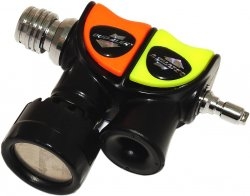
 Aquatec Scuba Alert

Trixino Jeu Responsable sur les Sports
Online casino play can look deceptively simple: choose a game, place a stake, wait for the result. Yet the real decisions happen around the game—how long to play, what the rules mean, and when to walk away. A little preparation will not bend the odds, but it can help keep a leisure activity from turning into an expensive misunderstanding.
Before signing up, read the site’s terms and check whether its rules fit your needs; even a general resource such as chisholmfarm.com is no substitute for confirming licensing, payment conditions, and local legal requirements directly with the operator and regulator. A polished lobby is window dressing, not proof of oversight. Verify the details before depositing.
Start With the Rules, Not the Reels
Games differ in pace, cost, and complexity. Slots usually settle each spin quickly, while blackjack asks players to make decisions that affect the hand. Roulette offers a simple betting layout, but its different bets carry different probabilities and payouts. None of these formats turns a casino game into a reliable income source; the house edge remains part of the deal.
Pay attention to the rules that shape your actual experience: minimum and maximum stakes, paytables, game speed, and any restrictions on play. For slots, review the return-to-player figure as a long-run theoretical measure, not a promise about your session. A 96% RTP does not mean that a player gets 96 cents back from every dollar in tonight’s spins. The math works across vast numbers of rounds, not as a personal refund schedule.
Compare Practical Details
Promotional language can make ordinary terms wear a tuxedo. Strip away the headline and compare the conditions that affect play. The table below offers a useful checklist; exact rules vary by operator, jurisdiction, and payment method.
| Detail | What to check | Why it matters |
|---|---|---|
| Licensing | Regulator, license status, and permitted region | Shows which oversight rules may apply |
| Deposits and withdrawals | Methods, limits, fees, and processing estimates | A displayed balance is not the same as accessible cash |
| Bonus terms | Wagering, eligible games, expiry, and maximum cashout | Conditions can change the value of an offer |
| Game information | Rules, paytable, RTP where available, and stake range | Lets you understand the wager before placing it |
| Safer-play tools | Deposit limits, time reminders, breaks, and account closure | Provides practical ways to control or stop play |
Set a Budget Before the First Bet
Decide in advance how much you can afford to lose without touching rent, bills, savings, or money set aside for other commitments. Treat that amount as the cost of entertainment, not a target to win back. Once it is gone, the session is over. Chasing losses is the financial equivalent of trying to fix a leaky tap with a louder tap.
Time limits matter too. Fast games can blur the clock, especially on a phone where every spin is one thumb movement away. Set a session timer, take breaks, and avoid playing when tired, upset, or under the influence of alcohol. Those states do not improve judgment; they merely make impulsive decisions feel unusually persuasive.
- Choose a spending limit before depositing and keep it fixed.
- Set a stop time, with reminders if the platform provides them.
- Never borrow money or use credit to continue gambling.
- Do not raise stakes to recover a loss or meet a wagering target.
- Use deposit limits, cooling-off periods, or self-exclusion when helpful.
Understand Bonuses and Payments
A bonus is not automatically money you can withdraw. Read its wagering requirement, contribution rules, expiry date, eligible games, and any maximum withdrawal before accepting. A slot might contribute differently from a table game, while some bets may not count at all. If the terms are unclear, ask customer support for a written explanation or decline the offer. A skipped promotion costs nothing; a misunderstood one can cost patience and cash.
Payment details deserve the same scrutiny. Check minimum deposits, withdrawal limits, identity checks, processing times, and fees. Operators may request documents to verify age and identity, and payment providers can impose separate conditions. Use accounts and payment methods in your own name, protect login details, and enable available security features. Never share a password or one-time code with someone claiming they can speed up a payout.
Read the Outcome Without Inventing a System
Casino games produce random outcomes according to their design, and previous results do not create a dependable forecast for the next round. A run of red numbers on roulette does not make black “due”; a losing streak in a slot does not mean a jackpot is warming up backstage. Pattern-spotting is a human habit, not a secret trapdoor through probability.
That does not mean every choice is identical. Knowing game rules can prevent avoidable mistakes, and comparing stake sizes can help a player stay within budget. But skill in understanding a game is different from control over its random results. Keep those ideas separate, and the table looks less like a puzzle waiting to be solved and more like paid entertainment with a measurable cost.
When Playing Stops Being Leisure
Watch for changes in mood, spending, or daily routines. Hiding losses, gambling longer than intended, borrowing to play, or feeling unable to stop are reasons to pause and seek support. Most regulated operators provide tools to restrict access, but independent advice and support services may also be available through local health or gambling-help organizations.
Responsible play is not a slogan pasted beneath a deposit button; it is a set of decisions made before and during a session. Check the rules, choose a firm limit, and accept that losing is possible. If those conditions no longer feel manageable, stepping away is not a bad beat. It is the one decision that puts the player back in control.
Related posts